

/apps/enel-x-digital-ecosystem/templates/page-content

Skip to Content

The emerging role of mining in supporting SWIS reliability

Taking a fresh look at processes reveals new opportunities for demand flexibility

Western Australia's electricity system is changing rapidly.

In recent articles, we have highlighted key changes identified in the WA Government’s Future Energy System Outlook and the South West Interconnected System Transmission Plan.  These include strong growth in electricity demand, increasing industrial electrification, accelerated renewable energy development and significant investment in new transmission infrastructure. Mining and critical minerals processing are expected to play a major role in supporting the grid in this future energy landscape.


As the electricity system evolves, flexible demand is becoming an increasingly valuable resource for maintaining reliability. While new generation, storage and transmission infrastructure remain essential, there is growing recognition that large energy users can also contribute to system stability by adjusting electricity consumption during critical periods.


For mining businesses, this creates an opportunity to derive additional value from flexibility that may already exist within their operations.
What flexibility looks like in practice

One of the most common misconceptions about demand response is that it requires production to stop. Instead, successful demand response participation is often built around operational flexibility that already exists within a site's production processes.


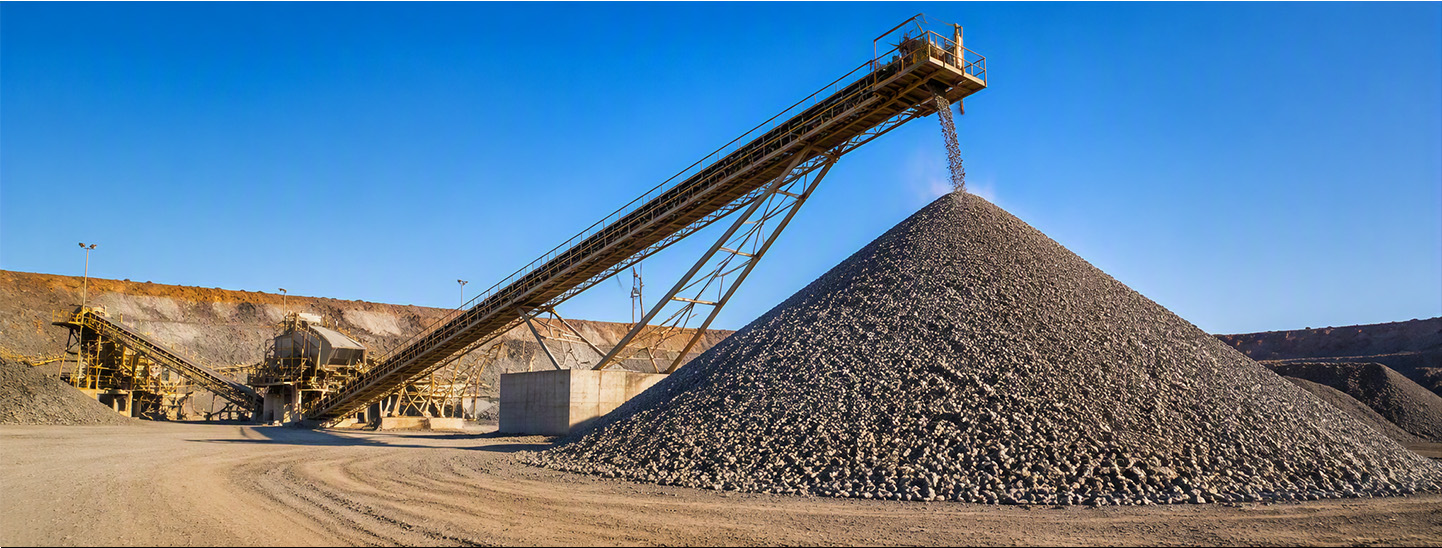
Many mining and mineral processing operations include buffers between stages of production. Stockpiles, surge bins and intermediate storage can allow material to continue flowing through parts of the process while selected electrical loads are temporarily reduced or adjusted.


Depending on site-specific operating requirements, this flexibility may exist within crushing circuits, grinding mills, slurry pumping systems, conveyors, dewatering equipment and other energy-intensive infrastructure.


Rather than reducing overall production, the objective is typically to identify opportunities to shift when some energy is consumed, or to temporarily reduce selected loads for short periods, with minimal or no impact on throughput.


For many operations, uncovering this flexibility simply requires taking a fresh look at existing processes through an energy management lens.

How a demand response event works

Demand response programs are designed to be predictable and operationally manageable.  Participating sites work with energy specialists to identify suitable loads, assess operational constraints and develop response plans that align with production objectives.


When a demand response event is required, participating facilities receive notification and implement the agreed response strategy. This may involve temporarily reducing power consumption from specific equipment or modifying how certain processes are operated for a limited period.


Importantly, sites are not expected to make ad hoc operational decisions during an event. Participation is based on pre-defined response plans that have already been assessed for operational suitability. Once the event concludes, normal operating conditions resume.


This structured approach helps ensure that demand response participation can support grid reliability while maintaining operational performance, safety standards and production targets.


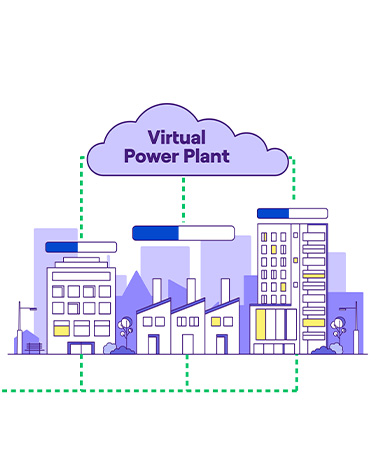
For example, participants in the Reserve Capacity Mechanism via the Enel X virtual power plant, earn quarterly revenue payments for committing to reduce demand by an agreed amount in grid emergencies. These events typically occur only a few times a year.  The ‘standby’ or reserve capacity provided by participants is valued by the market operator, because it acts like a visible, reliable and dispatchable ‘asset’ in a grid emergency.

Why mining is uniquely positioned

Mining operations possess several characteristics that make them well suited to demand response participation.


They typically operate large electrical loads, employ sophisticated operational controls and have experienced teams that regularly manage complex production systems. In many cases, facilities already optimise production rates, equipment schedules and energy consumption as part of normal operations. Demand response builds on these existing capabilities.


When coordinated across multiple sites, relatively small reductions from individual operations can be aggregated into a significant grid resource. Through Enel X’s virtual power plant, demand reductions from numerous participating facilities can effectively provide the same reliability benefit as additional generation coming online during periods of system stress.


This flexibility can assist during periods of peak demand, unexpected generator outages, network constraints or other conditions that place pressure on the electricity system.

Turning operational flexibility into business value

For participating mining businesses, demand response creates an opportunity to monetise operational flexibility that may otherwise go unused.


Programs such as the Reserve Capacity Mechanism provide eligible participants with ongoing revenue in exchange for being available to reduce consumption when required. This creates a new value stream from existing assets without requiring major capital investment. 


Participation can also support broader business objectives, including energy management, sustainability initiatives and corporate decarbonisation strategies.


Most importantly, demand response demonstrates that operational performance and electricity system reliability do not need to compete with one another. With the right operational approach, mining businesses can support the grid while continuing to meet production objectives.

A growing opportunity for WA mining

As Western Australia continues its energy transition, flexible demand is likely to become an increasingly important component of the energy mix.


For mining companies, the opportunity is about recognising where operational flexibility already exists and transforming that flexibility into a valuable energy market resource to earn a predictable revenue stream.


The sector's scale, sophistication and electricity consumption make it uniquely positioned to contribute to a more reliable and resilient power system, while creating additional value for its own operations.

Contact an Enel X team member to learn more about our products and services.