
/apps/enel-x-digital-ecosystem/templates/page-content

Skip to Content

Why flexible demand is important as WA transitions from coal

Unlocking flexibility supports the rapidly evolving electricity system

Western Australia's electricity system is undergoing a profound transformation

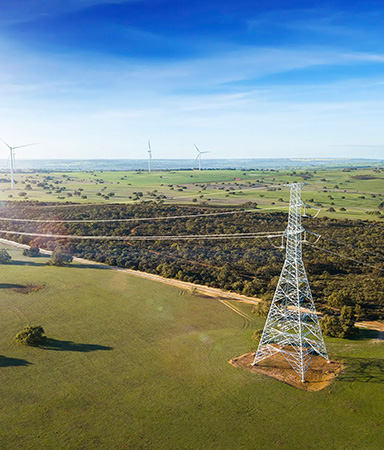
For decades, coal-fired generation provided a significant share of electricity supply and system balancing services across the South West Interconnected System (SWIS). However, the State Government's transition plans will see state-owned coal generation progressively retire before 2030.


The South West Interconnected System Transmission Plan highlights the significant transmission infrastructure required to support coal retirement, renewable energy integration and increasing industrial demand. At the same time, the Future Energy System Outlook is helping shape a long-term vision for a secure, reliable and affordable electricity system as demand continues to grow alongside continued growth in renewable generation, storage deployment and industrial electrification.


This transition brings significant opportunities, including lower emissions and access to lower-cost renewable energy. It also changes how electricity system reliability is maintained.


Traditional thermal generators have historically provided a range of services beyond energy production alone. As these assets retire, the system increasingly relies on a broader mix of resources to maintain balance between electricity supply and demand.


This is where demand flexibility has a role to play.
Unlocking flexible demand benefits everyone

While new transmission, renewable generation and storage are all essential, flexible demand can also provide valuable support.


Demand response programs enable participating businesses to temporarily reduce electricity consumption during periods when the system is under strain. These events may occur during extreme weather, high demand periods, network constraints or unexpected generator outages.


Demand response benefits everyone. At the system level, it provides an additional tool that can assist reliability and reduce pressure during critical periods. For consumers, it puts downward pressure on costs and reduces blackout risks. For businesses, it generates value from operational flexibility that may otherwise go unused. 

Mining is a rich resource for demand side flexibility

Mining operations are often well suited to demand response. Many sites have significant electrical loads and operational processes that can be managed strategically without compromising overall production objectives.  A fresh look at production processes often reveals hidden opportunities for demand flexibility that can be unlocked to create value.


The ability to temporarily adjust load provides a resource that can complement generation and storage investments while supporting broader energy transition objectives.


Importantly, demand response is not intended to replace investment in infrastructure. As recognised in the SWIS Transmission Plan, Western Australia will require significant investment in both transmission and generation infrastructure. Demand response should therefore be viewed as a complementary resource that helps maximise the efficiency and resilience of these investments.


Instead, flexible demand should be viewed as another component of a modern electricity system that helps increase resilience and improve the efficient use of existing resources, with minimal effort.


As the SWIS evolves, the organisations that understand and unlock their flexibility will benefit from energy market opportunities whilst actively supporting the broader energy transition currently underway.

Contact an Enel X team member to learn more about our products and services.