




Industry
Industrial gas

Challenge
Support sustainability objectives without impact to operations

Solution
Demand response VPP participation with opt-in or out control

Benefit
Support the grid, enhance resilience and business continuity
Overview
The challenge
Australia and New Zealand’s grids are rapidly transforming as renewables grow and coal retires, creating greater volatility. During low renewable output or peak demand, fast, flexible resources are needed to keep the system stable and avoid reliance on high-emitting peaking plants.
For Air Liquide, the need to support this transition was clear. As a major industrial energy user with operations that run 24/7, the company saw both opportunity and responsibility to support the grid.
Simon Elias, Energy Management Lead at Air Liquide Pacific, explains that sustainability has long been central to the company’s strategy. “As a large energy user, we recognise our role in supporting the energy transition across Australia and New Zealand. With the grid evolving rapidly and renewables increasing, the system needs faster, cleaner and smarter solutions. Demand response is a simple, practical way we can help strengthen the grid and accelerate the shift to a more renewable energy future.”
The challenge was not only about sustainability, but reliability could also never be compromised. Air Liquide supplies gases essential to public health and industrial continuity; oxygen for hospitals, nitrogen for food processing, and argon for manufacturing.
“A lot of our customers rely on our product to continue their production,” Simon says. “Oxygen is a critical gas for hospitals. Whatever we do, whether supporting the grid or optimising our operations, our customers must never feel any impact on their supply.”
Air Liquide needed a solution that could optimise energy flexibility at critical moments, strengthen grid stability and support decarbonisation, without compromising operations and supply reliability.
The Solution
Air Liquide has been part of Enel X’s Virtual Power Plant (VPP) and demand response programs since 2011, providing rapid, temporary adjustments in energy demand during grid stress events.
Simon explains, “The key was unlocking our flexibility. Working with Enel X, we refined our operations so we could intelligently manage energy peaks. Our storage vessels act as virtual batteries, providing a continuous supply reserve. This further reinforces our confidence to contribute to grid stability.”
Enel X enables both automated and manual participation in the VPP. Some equipment responds instantly to signals, while other processes are managed manually to give each site full situational control.
“We always retain full control,” Simon says. “Certain loads respond automatically, but for others we decide when and how to participate. We can opt in or out whenever we need to — that flexibility is what makes participation viable for us.”
By integrating with Enel X’s VPP, Air Liquide can act within seconds to support grid frequency, address supply shortfalls and help maintain grid stability. As Simon puts it, “It’s essentially using existing resources to fill the gaps in the grid. In those moments of high demand, we’re helping keep the lights on for everybody.”


By reducing our energy load at the right moments, we help the grid absorb more renewable energy and move away from fossil fuels. It’s a practical way for us to support decarbonisation.
Energy Management Lead at Air Liquide Pacific
The Benefits
Air Liquide’s VPP and demand response participation has delivered clear environmental, operational and systemic value, all while maintaining operational continuity. By managing demand during moments of grid stress, the company helps stabilise the system and avoid the need for high carbon emitting gas peaking plants. As Simon explains, “By reducing our energy load at the right moments, we help the grid absorb more renewable energy and move away from fossil fuels. It’s a practical way for us to support decarbonisation.”
The programs have also strengthened Air Liquide’s operational resilience. The flexibility assessment gave the team deeper insight into the sites’ energy use and revealed new opportunities to shift consumption to off-peak periods. “We’ve identified ways to optimise our operations,” Simon says. “That’s not only good for sustainability, it reduces our overall costs and makes us a more efficient and resilient business.”
Real-time event signals, market updates and detailed post-event analysis give Air Liquide full visibility into its performance, earnings and impact on the grid. According to Simon, “The transparency helps us fine-tune our energy management.”
Looking ahead, Air Liquide plans to expand its involvement by assessing new equipment and additional sites for future participation. The company sees flexible demand as an ongoing evolution within its operations. As Simon puts it, “We’re always identifying new opportunities to participate. Enel X helps us find the right programs, and we’ll continue strengthening our flexibility as our sites grow. Demand response has low barriers to entry and makes a real impact as the grid decarbonises. It strengthens the grid, advances sustainability and contributes to lower energy prices, while supporting your operations and the wider community.”

Related Content
Why the energy transition requires participation, not just generation

Demand Response programs allows energy consumers to earn from their flexibility: discover how it works and what are its benefits
Businesses can protect the grid, earn revenue and enhance sustainability with Demand Response

Enel X and the South Australian Government support businesses who want to participate in Demand Response

We've partnered with the South Australian government to support local businesses by changing the way they use energy

How Virtual Power Plants address issues of energy security, affordability and sustainability
Help to keep the grid stable at all times with frequency control ancillary services (FCAS) markets
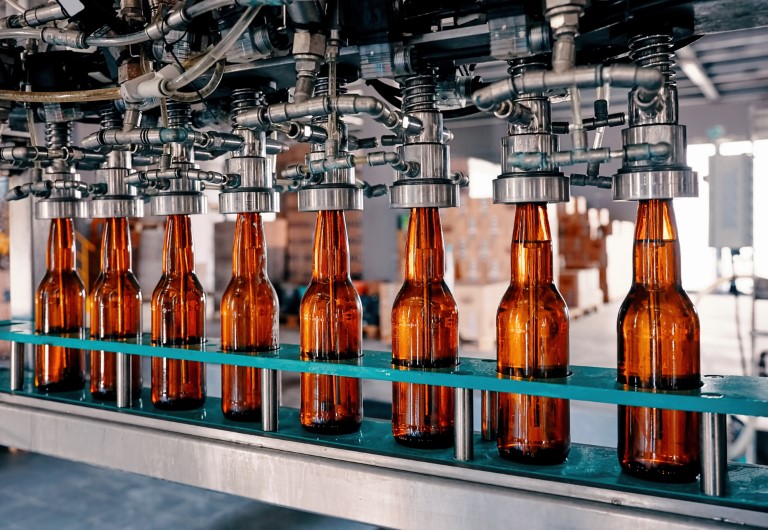
The food chain is innovating to improve the bottom line with VPPs and Demand Response

Learn more about how Demand Response contributes to a more sustainable future in this Enel X global whitepaper.
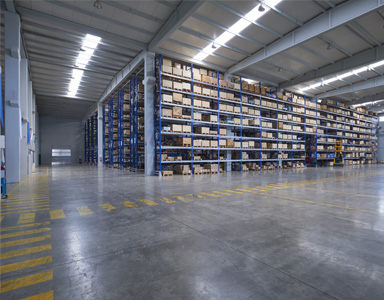
Oxford Cold Storage participates in Virtual Power Plant as part of its sustainability initiative
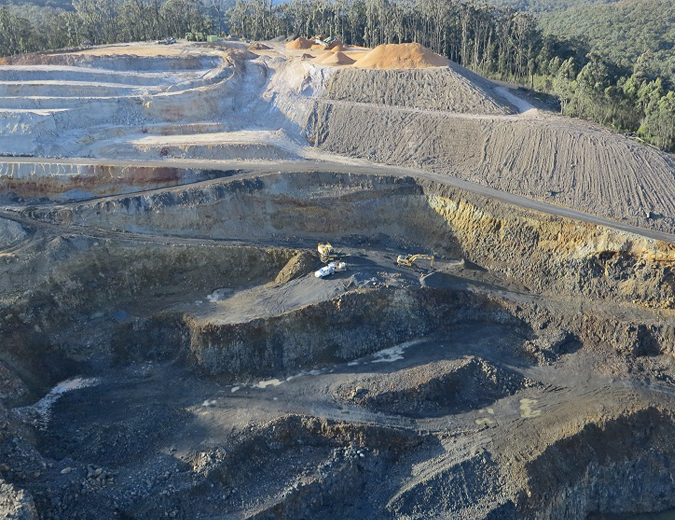
Our quarrying client earns regular payments for powering down onsite equipment in response to a grid need