/apps/enel-x-digital-ecosystem/templates/page-press

Skip to Content

Your HVAC equipment, backup generators, and energy storage systems could be hidden sources of revenue

Read on to learn which of your assets could generate additional revenue for you.

Many businesses don’t realize that, beyond their original purpose, their existing equipment also has the potential to participate in the power market. Through Enel X Taiwan’s Virtual Power Plant, businesses can take part in Demand Response Ancillary Services on the Energy Trading Platform, turning electricity costs into additional revenue while supporting the energy transition and helping meet energy-efficiency obligations.


For a company’s power management staff and sustainability teams, there’s no need for large-scale investment in new equipment. Simply making the most of existing HVAC, backup generation, and energy storage systems can generate revenue while advancing sustainability at the same time. (Learn more about how demand response supports a more sustainable energy grid here.)


Which equipment can participate in Demand Response?

Below are common types of equipment and their load-reduction approaches. If your equipment isn’t on the list, or you’re not sure whether it qualifies, contact us— we’re happy to help you assess it!


HVAC and Chillers (cold storage, office buildings, department stores, hotels)

  • Load-reduction method: When responding to a Demand Response dispatch, temporarily raise the temperature setpoint or pause partial chillers.
  • Advantage: Near-zero activation cost, no impact on operational comfort, and immediate response.


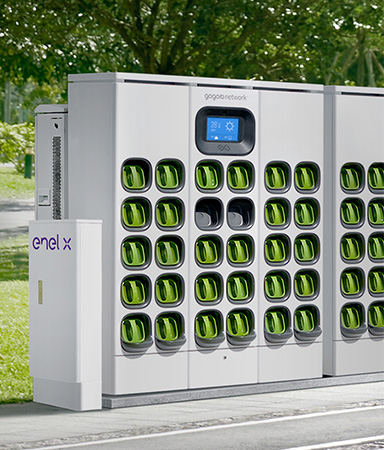
Behind-the-Meter Energy Storage Systems (large electricity users)

  • Load-reduction method: When responding to a Demand Response dispatch, discharge batteries in place of drawing power from the grid.
  • Advantage: Beyond Demand Response revenue, capture a second layer of value from peak/off-peak price spreads, maximizing the return on the asset.


Backup Generation Equipment (semiconductor, chemical, precision manufacturing, hospitals, etc.)

  • Load-reduction method: Temporarily switch to backup generation equipment to reduce reliance on the grid.
  • Advantage: Puts existing backup equipment to work, delivering the dual benefit of emergency backup and revenue generation.


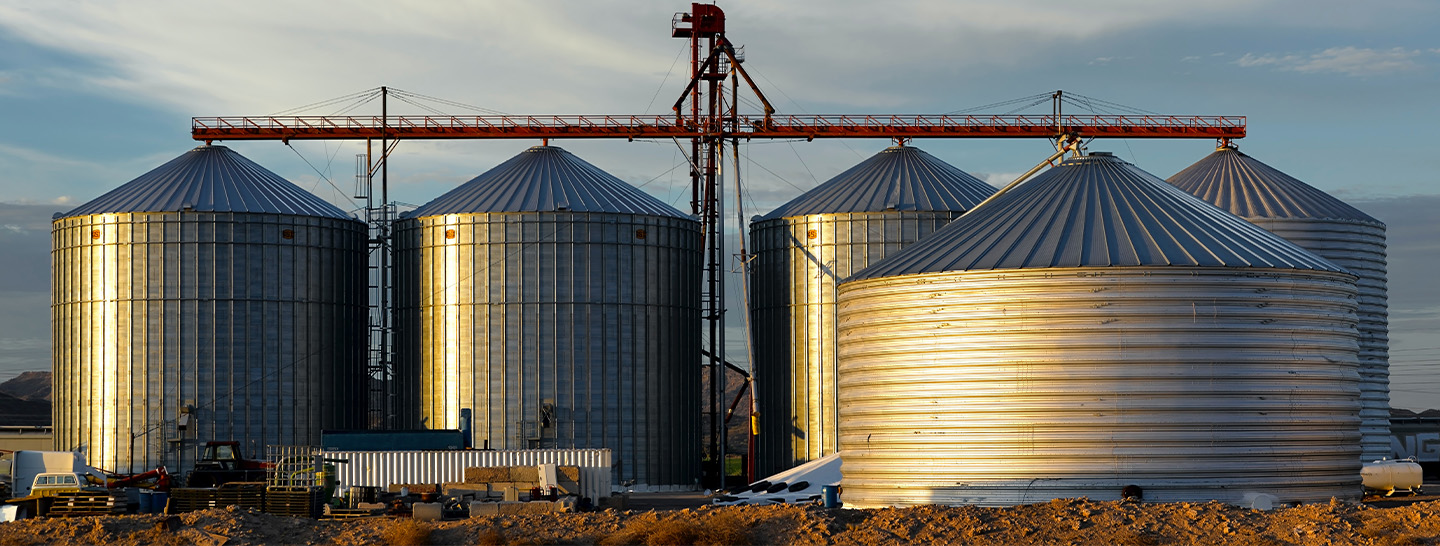
High-Consumption Process Equipment (steel, cement, industrial gas industries, etc.)

  • Load-reduction method:

◼ Steel: Temporarily shut down electric arc furnaces (induction furnaces) and melting furnaces to briefly reduce consumption.

◼ Cement: Temporarily shut down grinding mills to briefly reduce consumption.

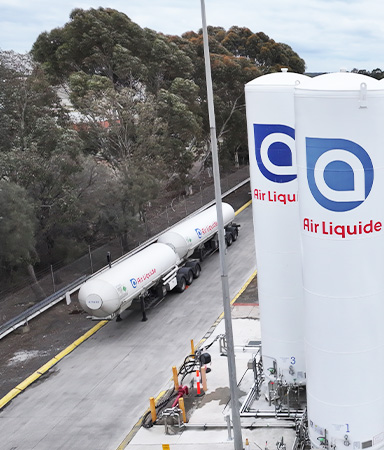
◼ Industrial gas plants: Temporarily shut down air separation units and pumps to briefly reduce consumption.

  • Advantage: High-consumption process equipment has large individual capacity and a high response contribution, making it a resource class with strong revenue potential.

Action Plan for Energy and Sustainability Teams

  1. Take stock of which pieces of on-site equipment can be temporarily switched off or run at lower speeds.  Assess how quickly can these loads be adjusted, how often and for how long.

  2. If you have concerns, start with the lowest-risk, lowest-impact equipment, then gradually expand into storage or process equipment as you build experience. Demand response works best when aligned with flexible energy assets.


Whether you’re a power management manager or a sustainability professional thinking about sustainability outcomes, now is a good time to take a fresh look at the hidden flexibility in your operations. This exercise could be the starting point for a new source of additional revenue and easy way to help support a sustainable energy system, whilst maintaining productivity.

Contact us and learn how you could join the market today!