
/apps/enel-x-digital-ecosystem/templates/page-press

Skip to Content
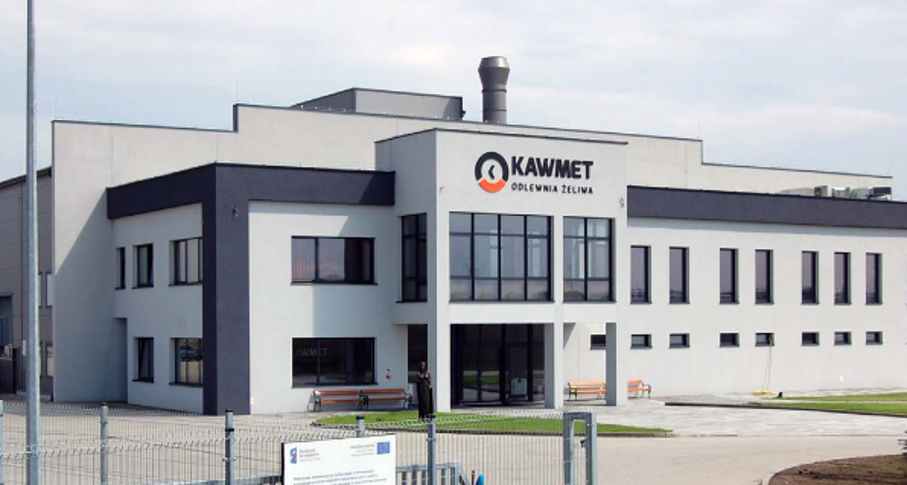
Exterior of the KAWMET industrial manufacturing facility

KAWMET: Using Demand Response to stay competitive

When energy costs rose significantly, a family-run foundry looked for a way to absorb them rather than pass them on to customers.

Energy is a significant share of what it costs KAWMET to make a cast iron stove. So when the foundry’s energy costs climbed, the arithmetic pointed somewhere uncomfortable: put up product prices, in a market where customers notice.


The company went looking for a third option instead.


By participating in demand side response, KAWMET is paid for being on standby to reduce consumption when the power system runs short of reserve. The revenue is regular and it is contracted — which makes it something a foundry can plan around when setting prices for the year.
 

Inside the case study

  • The five criteria KAWMET used to choose an aggregator over contracting directly
  • What the one-hour reduction test involves, and why it carries payment of its own
  • How the option to declare periodic unavailability protects a plant during production downtime
  • Why a family-run manufacturer treats security of supply as a benefit in its own right.
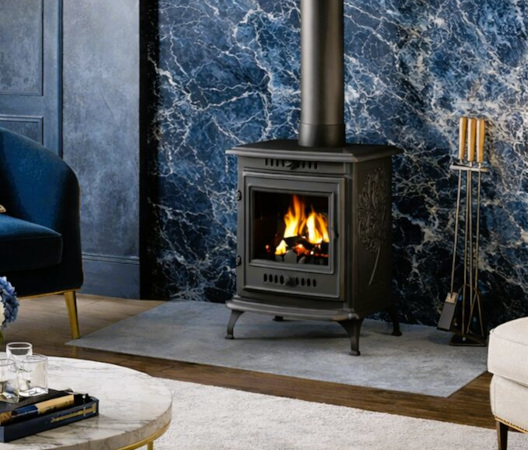
Traditional wood-burning stove with a lit fire in a modern living room
Quote alt

By participating in the DSR programme, we are sure that we will receive regular additional financial resources, which will partially compensate for consistently rising energy costs. As a result, we can leave our product prices at relatively the same level. Our prime concern is our customers, who are sensitive to price fluctuations.

Krzysztof Gala

Development Director, KAWMET

Enter your email address to download the case study and read the full story of how Enel X Polska helped a foundry turn energy flexibility into price stability for its customers.