
/apps/enel-x-digital-ecosystem/templates/page-press

Skip to Content
Cheers to flexibility

Cheers to flexibility: how food and drink manufacturers can profit from stabilising the grid

UK food and drink manufacturers can earn new revenue by making spare electrical capacity available to the grid through energy flexibility programmes. Assets such as refrigeration, HVAC, and battery storage are paid to flex when the grid needs support, turning existing equipment into a source of income.
 

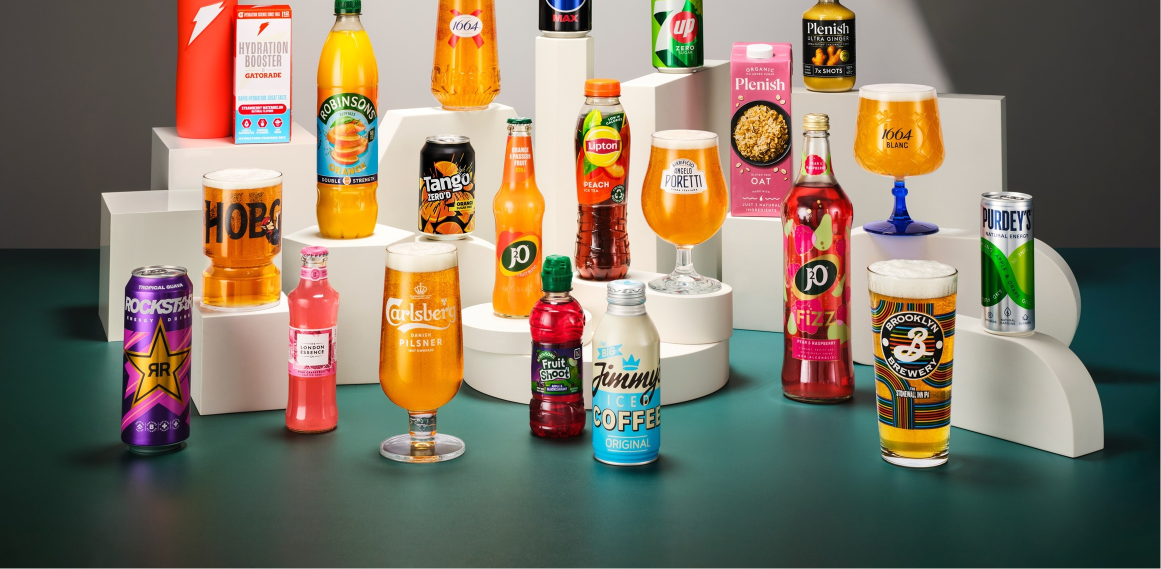
In a recent article for Food & Beverage Outlook, Enel X and Carlsberg Britvic showcased how UK food and drink manufacturers can use energy flexibility to create new revenue, support grid stability and protect operational resilience.


Why energy flexibility matters for food and drink manufacturers

Food and drink manufacturers are under constant pressure to manage costs, protect uptime, and maintain reliable production. At the same time, the UK electricity system is changing. As more renewable generation connects to the grid, flexibility is becoming increasingly important to help balance supply and demand.

How can manufacturers turn existing assets into revenue

For manufacturers, this creates a practical opportunity. Many sites already have assets or processes that can provide flexibility, including:

  • refrigeration and HVAC systems
  • pumps and compressors
  • on-site generation and CHP
  • battery energy storage systems (BESS).


Once they join flexibility programmes, businesses can be paid for making these resources available to support the grid. In many cases their participation is based on availability, meaning organisations can earn revenue regardless of whether their flexible capacity is called upon or not.

Carlsberg Britvic: a real-world example

Carlsberg Britvic is one example of how this can work in practice. Working with Enel X, the business enrolled in the UK Capacity Market, joining a wider network of commercial and industrial energy users helping to support grid stability.
Carlsberg Britvic logo
Quote alt

Working in partnership with the grid is a mutually beneficial arrangement that just makes good business sense.

Nigel Paine

Vice President of Production, Carlsberg Britvic

Beyond the Capacity Market: the Virtual Power Plant opportunity

While many businesses begin their flexibility journey through programmes such as the Capacity Market, the opportunity extends much further. 


Through Enel X's Virtual Power Plant (VPP), organisations can access multiple routes to value by combining flexible demand, on-site generation and battery storage into a single, optimised flexibility strategy. You can also learn how a Virtual Power Plant helps relieve grid pressures.

A rising opportunity in the years ahead

The opportunity is becoming more important. The UK Government's Clean Flexibility Roadmap sets out a target of 51–66 GW of flexibility capacity by 2030, highlighting the increasingly important role businesses will play in supporting the future electricity system.


Energy flexibility allows food and drink manufacturers to turn existing assets into a source of value while supporting a cleaner, more reliable and more resilient grid.


Want to learn more about how manufacturers like Carlsberg Britvic are generating revenue while helping to stabilise the electricity grid?

Frequently asked questions

Can food and drink manufacturers get paid for energy flexibility?

Yes. Through programmes such as the UK Capacity Market, manufacturers are paid for making flexible capacity available to the grid — often regardless of whether that capacity is actually called upon.

Which assets can take part in flexibility programmes?

Common examples include refrigeration, HVAC, pumps, compressors, on-site generation, CHP, and battery energy storage (BESS). Each site is assessed individually to find the best commercial fit.

Do you have to interrupt production to participate?

Rarely. Participation is built around each site's operational priorities, so many manufacturers earn availability-based revenue with minimal or no disruption to production.

What is a Virtual Power Plant (VPP)?

A VPP connects many businesses' flexible energy assets into a single, coordinated resource for the electricity system, giving each site access to multiple energy market revenue streams.
Enel X