/apps/enel-x-digital-ecosystem/templates/page-press

Skip to Content
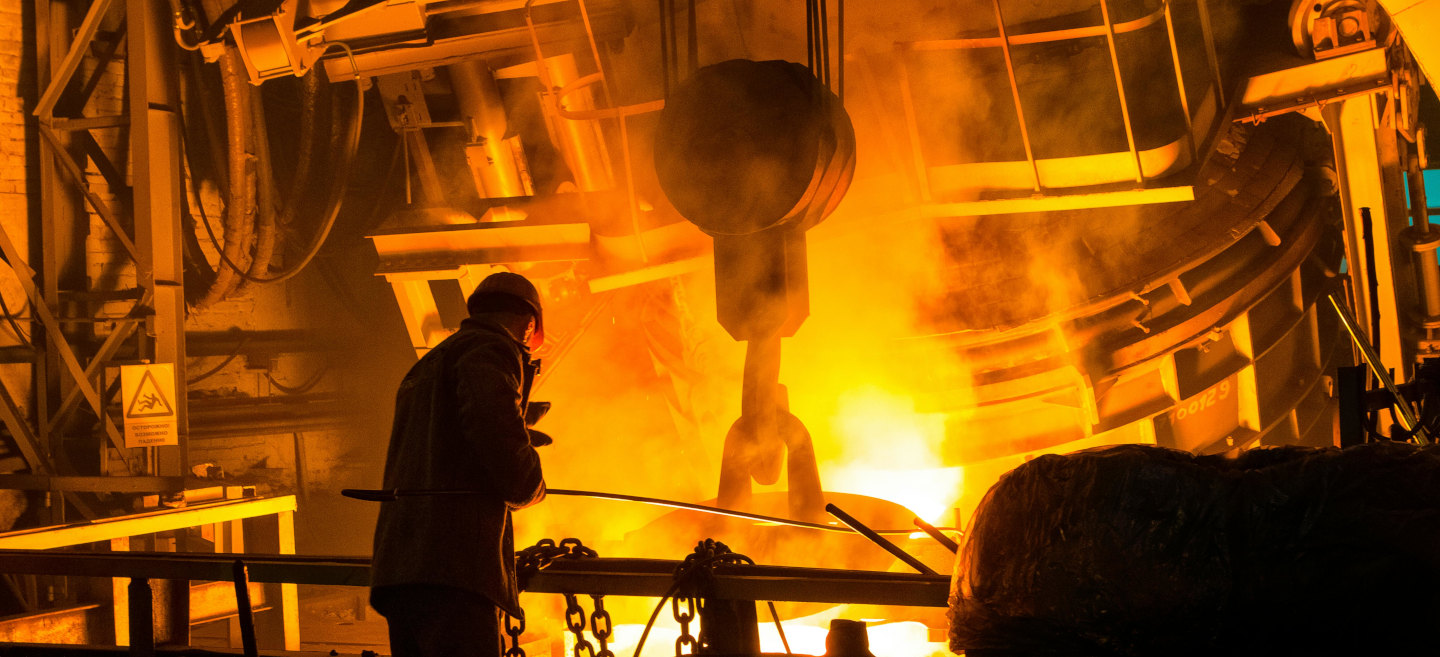
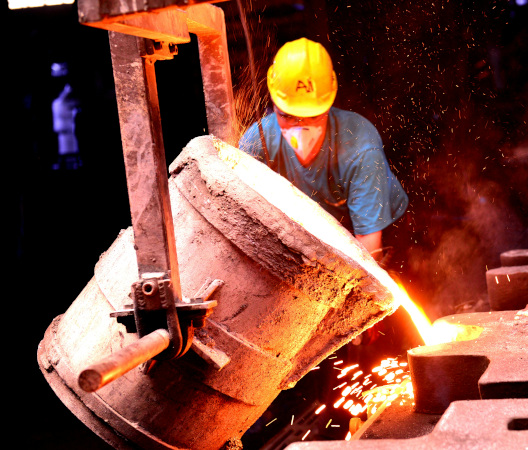
Worker operating a furnace in a high-temperature metal processing facility

Metalodlew SA: Turning a Production Break Into Revenue

How a Polish foundry found 12 MW of flexibility without changing the way it casts metal.

Most industrial sites approach demand side response by working out what they would have to give up, which line to slow, which shift to move. Whether the disruption costs more than the programme pays.


Metalodlew never had to run that calculation. Melting metal and cast iron already requires a technological break of two and a half to four hours. The pause existed before Enel X arrived — it simply wasn’t earning anything.


Three furnaces across two foundry halls, one 6 MW induction and two 3 MW arc, now represent 12 MW enrolled in demand side response with Enel X Polska.
 

Inside the case study

  • Why a foundry’s melt cycle makes it an unusually strong fit for demand side response
  • The seven criteria Metalodlew weighed when choosing an aggregator over contracting directly
  • How readiness tests earn compensation of their own, separate from reduction revenue


You’ll also find how the programme sits alongside live production, in the words of the company’s leadership:

Foundry worker pouring molten metal from a ladle in an industrial facility
Quote alt

Participating in the Demand Side Response programme is a natural way for our company to optimise energy costs because it fits perfectly into the technological processes we use.

Jacek Winiarczyk

Vice President of the Management Board, Metalodlew Serwis Sp. z o.o.

Enter your email address to download the case study and read the full story of how Enel X Polska helped a foundry operating since the 1950s turn an existing production break into recurring revenue.